

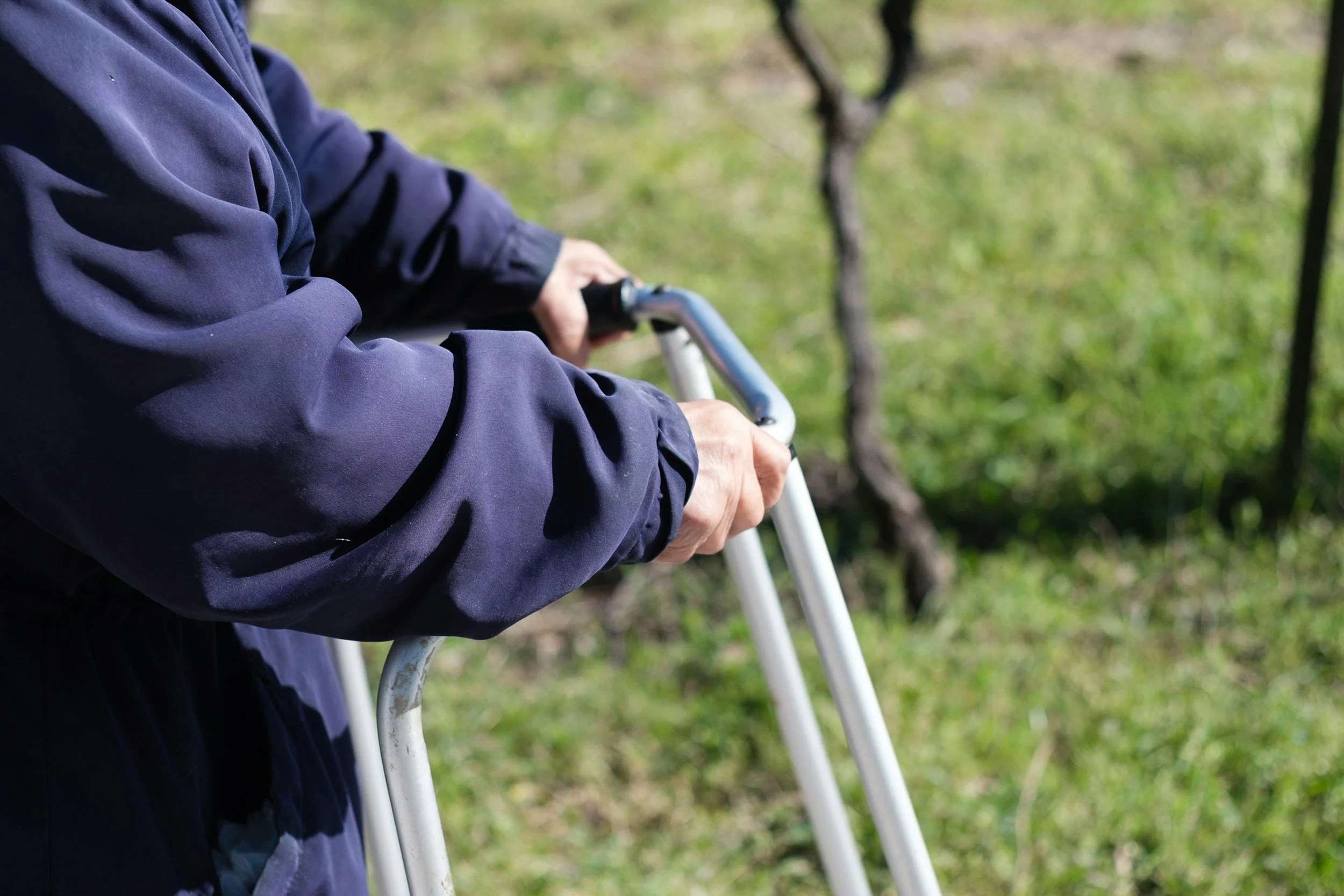
What is osteoarthritis?
Osteoarthritis is a common type of arthritis that mostly affects older adults.
As it can often have a debilitating impact on your loved one’s life, we think it’s important to understand the symptoms, treatment, and support available.
In this blog, we’re looking at osteoarthritis, and how you can help promote a healthy, active lifestyle for your loved one:
What is Osteoarthritis?
Osteoarthritis is the most common type of arthritis, characterised by stiff, painful joints after rest or inactivity.
Symptoms, in severe cases, can be continuous, or can be triggered by activity levels or the weather, making it difficult to participate in day-to-day life.
At Wellbeing Care, we offer a strong support system to help our residents maintain an independent, healthy lifestyle. We tailor our activities to ensure they’re inclusive of those with reduced mobility, and enable them to partake in games comfortably.
So, what are the symptoms of osteoarthritis?
The Symptoms of Osteoarthritis
The most common symptoms of osteoarthritis may include:
Joint pain;
Stiffness;
Swelling;
Tenderness;
Grating or crackling sounds when moving the affected joints.
Which Joints Does Osteoarthritis Affect?
There are around 350 joints in the human body, and osteoarthritis can affect nearly all of them. The condition most often causes problems in the knees, hips, and small joints in the hands.
The severity of osteoarthritis symptoms can vary significantly from person to person, particularly between the different joints affected.
For some, the symptoms can also be mild, coming and going without notice. For others, it can cause severe, ongoing problems that affect everyday tasks.
Causes of Osteoarthritis
Everyday life exposes your joints to low level wear and tear, which your body usually repairs without any issues or symptoms.
But, with osteoarthritis, the protective cartilage on the end of your bone breaks down, causing pain, swelling and problems moving the joint. Bony growths can develop, and the area can become swollen and red.
The exact cause is unknown, but there are several conditions that are thought to increase your risk of developing osteoarthritis, including:
Joint injury: Overusing your joint when it hasn’t had enough time to heal after an injury or operation;
Other illnesses: Osteoarthritis can happen in joints severely damaged by a previous or existing condition, such as gout or rheumatoid arthritis;
Age: Your risk of developing the condition increases as you get older;
Family history: Osteoarthritis may run in families, although studies haven’t yet identified a gene responsible;
Obesity: Being overweight can put excess strain on your joints, particularly those that bear most of your weight, such as your knees and hips;
Being a woman: Osteoarthritis is found to be more common in women than men.
Treatment and Support
Although osteoarthritis is a long-term condition that cannot be cured, it can, in some instances, improve.
Mild symptoms can often be managed with simple measures, such as:
Engaging in regular exercise;
Losing weight;
Wearing comfortable/suitable footwear.
If your symptoms are more severe, you might need additional treatments, such as painkillers and a structured exercise plan with a physiotherapist.
How Wellbeing Care is Helping Those Living With Osteoarthritis
Although there are no set rules you can follow to guarantee the prevention of osteoarthritis, we regularly implement the following into our residents' lives to maintain healthy living and avoid injury:
Exercise
Regular exercise is vital to maintaining mobility, keeping your joints limber, and reducing the risk of tension or injury.
Posture
Exercise can also help maintain good posture and avoid staying in the same position too long.
Losing Weight
Being overweight can lead to a higher risk of osteoarthritis, so it's important to eat a healthy, balanced diet and exercise regularly to maintain a good BMI.
At Wellbeing Care, we care for those living with debilitating conditions such as dementia, Parkinson’s, and osteoarthritis. Our trained staff are able to assist in ensuring your loved one is comfortable, active, and happy, helping them live a fulfilling life to the best of their capabilities.
If your loved one has osteoarthritis, and you’d like to know more about how we can support them when they move into one of our care homes, please contact a member of our team.