High blood pressure, also known as hypertension, is a common condition that affects millions of people worldwide.
If left unchecked, it can lead to serious health problems such as heart disease, stroke, and kidney failure, so managing high blood pressure is crucial for maintaining overall health and wellbeing.
As you and your loved ones age, you may be prone to high blood pressure, so it’s important to make some simple lifestyle changes to reduce your chances of this happening.
In this blog, we’re exploring how to manage high blood pressure and sharing eight top tips for maintaining a healthy, fit body for your loved ones.
Maintain a Healthy Diet | How to Manage High Blood Pressure
A healthy diet is one of the most effective ways to manage high blood pressure.
Focus on eating plenty of fruits, vegetables, whole grains, and lean proteins. The DASH (Dietary Approaches to Stop Hypertension) diet is specifically designed to help lower blood pressure. It emphasises reducing salt intake and increasing the consumption of nutrient-rich foods.
Planning dishes earlier in the week and sticking to a schedule can help you stick to a healthy, balanced diet — avoiding those sneaky takeaways that creep up when you don’t have the energy to cook.
Exercise Regularly | How to Manage High Blood Pressure
Regular physical activity is vital for managing high blood pressure.
Aim for at least 150 minutes of moderate aerobic exercise each week, such as brisk walking, cycling, or swimming. This might sound like a lot, but you can split this up by exercising for just 22 minutes per day!
If this isn’t possible, we’ve listed several exercises that are suited to those with a disability or limited mobility, such as:
Chair yoga/Sitting exercises
Pilates
Swimming
Water aerobics
Exercise helps strengthen the heart, allowing it to pump blood more efficiently, which can lower blood pressure.
Monitor Your Blood Pressure | How to Manage High Blood Pressure
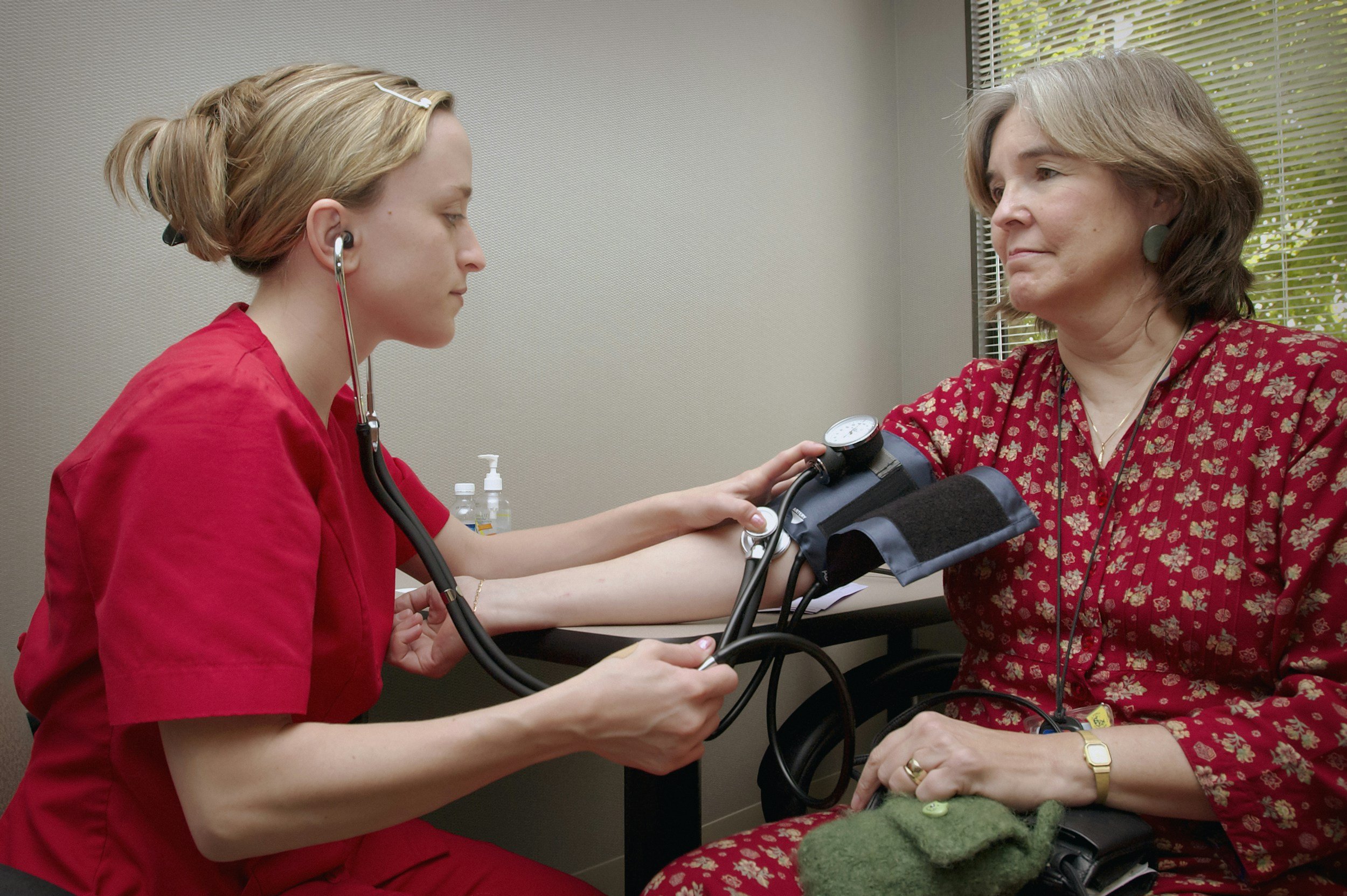
Keeping track of your blood pressure is essential for managing hypertension.
Home blood pressure monitors are widely available and can help you monitor your levels regularly. You can buy them at your local pharmacy or order them online.
Knowing and keeping up with your numbers can help you and your healthcare provider make informed decisions about your treatment plan. Grab a notebook and record your levels so that you can track anything irregular and bring it up with your doctor.
Reduce Sodium Intake | How to Manage High Blood Pressure
High sodium (salt) intake is also a major contributor to high blood pressure.
Learn to read food labels and choose low-sodium options whenever possible. Cooking at home using fresh ingredients allows you to control the amount of salt in your meals. Aim to consume no more than 1,500 to 2,300 milligrams of salt daily.
Limit Alcohol Consumption | How to Manage High Blood Pressure
Drinking too much alcohol can significantly contribute to high blood pressure.
Men should limit their alcohol intake to two drinks per day, and women should limit it to one drink per day — this is equivalent to 14 units per week.
Moderation is key to maintaining healthy blood pressure levels; you can still relax and have a drink at a social event to celebrate, but overconsumption can lead to dangerous health complications.
Manage Stress | How to Manage High Blood Pressure
Finding ways to manage stress is crucial for maintaining a healthy heart.
Techniques such as deep breathing exercises, meditation, yoga, and mindfulness can help reduce stress levels, no matter your age.
Additionally, spending time on hobbies and activities you enjoy can be very beneficial. Find something that helps you relax and clear your mind; it can make a significant difference.
Maintain a Healthy Weight | How to Manage High Blood Pressure
Being overweight or obese increases your risk of developing high blood pressure. Losing even a small amount of weight can significantly impact blood pressure levels.
Focus on a balanced diet and regular exercise to achieve and maintain a healthy weight. You don't need to join a gym — simply increasing your daily walks and eating a healthy, balanced diet can help you lose weight with some small lifestyle changes.
Exercise benefits your body in many ways, including having a positive reflection on your mental health.
Avoid Tobacco and Limit Caffeine | How to Manage High Blood Pressure
Smoking and tobacco use can raise your blood pressure and harm your heart. Quitting smoking is one of the best things you can do for your health, and several services can assist you in your journey.
Additionally, while the effects of caffeine on blood pressure can vary, it’s wise to monitor your intake and see how it affects your blood pressure. Sometimes, caffeine can cause a short but dramatic increase in your blood pressure, even if you don't have high blood pressure.
Remember, managing high blood pressure is a lifelong commitment, and small, consistent changes can make a big difference. Always consult your healthcare provider before significantly changing your lifestyle or treatment plan.
If you’d like to learn more about managing high blood pressure, please contact Wellbeing Care, and a member of our team will be happy to assist you.
Or, check out our latest blog and discover what osteoarthritis is.